
A Serengeti safari from Zanzibar is a once-in-a-lifetime adventure. The combination of Zanzibar’s pristine beaches and the Serengeti’s vast wildlife offers an unforgettable experience. Whether you’re exploring the island’s clear waters or venturing into the heart of Tanzania’s most famous national park, this safari promises excitement and discovery.
Traveling from Zanzibar to the Serengeti introduces you to some of Africa’s most iconic landscapes. The Serengeti is known for its incredible wildlife, especially the Great Migration. Visitors can experience thrilling game drives and witness predator-prey interactions like never before. The calving season adds a unique layer to the safari, offering opportunities to see newborn wildebeests and their struggles for survival.
A Serengeti safari from Zanzibar is not just about wildlife but also about the adventure of travel. From Zanzibar’s beautiful coastline to the Serengeti’s expansive plains, every moment is filled with awe. It’s a perfect mix of relaxation and adventure that provides an experience beyond expectations.
Day 1: Arrival in Tanzania and Transfer to Lake Ndutu
Your journey begins with an arrival at Kilimanjaro International Airport, where you’ll be warmly greeted by your safari guide. From there, you’ll enjoy a scenic drive to the Lake Ndutu area, located in the southern Serengeti. This region is known for its abundant wildlife, especially during the calving season, which typically runs from late January to early March.
Lake Ndutu is the perfect starting point for your safari as it provides a unique opportunity to witness one of the most remarkable natural events on earth, the birth of thousands of wildebeest calves. The sight of these newborn animals struggling to stand on their wobbly legs, while predators lurk nearby, adds an intense layer of drama to the experience.
Day 2: Exploring Lake Ndutu and the Southern Serengeti
On the second day of your Serengeti safari from Zanzibar, you’ll spend the day exploring the vast plains surrounding Lake Ndutu. The southern Serengeti is home to the largest portion of the wildebeest migration, with these animals flocking here to give birth. Witnessing this extraordinary spectacle will leave you in awe as you observe the circle of life in full motion.
Apart from the wildebeest, the area teems with other wildlife, including zebras, gazelles, and predators like lions and cheetahs. The presence of large carnivores during the calving season makes this one of the best times to witness thrilling predator-prey interactions. It’s not just about the animals, the backdrop of the Serengeti’s endless horizon and beautiful landscapes will make every moment unforgettable.
Day 3: Journey to the Central Serengeti
After a morning game drive around Lake Ndutu, you’ll embark on a drive toward the central Serengeti. This area is famous for its expansive savannahs, large populations of predators, and diverse wildlife. As you travel through the Serengeti, you’ll have the chance to spot more animals and admire the vast, unspoiled landscape.
The central Serengeti offers a different perspective on the migration. While it’s not as densely packed with wildebeests as the southern region, you’ll still find plenty of wildlife to observe, including lions, leopards, elephants, and giraffes. The central Serengeti’s varied terrain provides opportunities for incredible photography, especially as the golden light of the late afternoon enhances the beauty of the savannah.
Day 4: Full Day in the Central Serengeti
Day four will be a full day of exploring the central Serengeti. This region is home to a rich diversity of wildlife, including the “Big Five”: lions, elephants, leopards, buffaloes, and rhinoceroses. It’s a prime location for game drives, where you can spot lions lounging in trees, cheetahs racing across the plains, and wildebeests grazing in vast herds.
The calving season brings an abundance of young animals, which in turn attracts predators. This period provides some of the most dramatic scenes of wildlife behavior, as predator and prey interact in a desperate struggle for survival. The Serengeti’s ever-changing landscapes, from wide-open plains to rocky outcrops, will make every game drive a new and exciting experience.
Day 5: Ngorongoro Crater Exploration
On day five, you’ll leave the Serengeti behind and travel to the Ngorongoro Crater, a UNESCO World Heritage Site. This enormous volcanic caldera is home to an incredibly dense population of wildlife, offering some of the best game viewing in the world. The crater’s floor features a range of habitats, from lush forests to open grasslands, supporting a variety of species.
Descending into the crater, you’ll find yourself surrounded by wildebeests, zebras, gazelles, and a wealth of other animals. The crater is also known for its high concentration of predators, including lions and hyenas. It’s a perfect location to witness the ongoing predator-prey drama that plays out so vividly in the Serengeti.
Day 6: Return to Lake Ndutu
After a morning of exploring the Ngorongoro Crater, you’ll journey back to the Lake Ndutu area for more game viewing. The return to this iconic location allows for further opportunities to witness the calving season in full swing. As the wildebeests continue to give birth, the predators will be close behind, ready to take advantage of any vulnerability in the young animals.
Returning to Lake Ndutu gives you a chance to reflect on the earlier part of your safari while enjoying another chance to observe the thrilling dynamics between predators and prey. The surrounding scenery and wildlife will never get old, and every game drive offers new and exciting moments.
Day 7: Departure
On your final day, enjoy one last morning game drive in the Serengeti before your transfer to the airport for your departure flight. As you head back to Zanzibar, you’ll leave with a wealth of memories from your Serengeti safari. Whether it’s the sight of a lion stalking its prey or a wildebeest calf taking its first steps, the experiences of the past week will stay with you long after you’ve returned home.
Best Time to Visit
The best time for a Serengeti safari from Zanzibar is during the calving season, from late January to early March. This period sees thousands of wildebeests giving birth, making it a prime time for witnessing the full circle of life in the Serengeti. This time of year also brings large predator activity, giving visitors a rare opportunity to see nature in action.
Accommodation Options
Throughout your safari, you’ll stay at a variety of comfortable accommodations ranging from luxury lodges to tented camps. These options allow you to experience the Serengeti and Ngorongoro areas in style, with minimal travel time between game drives. Whether you prefer a luxurious lodge or a more immersive tented experience, you’ll find plenty of options to suit your preferences.
Travel Tips
- Health Precautions: Make sure to consult with a healthcare professional before traveling to Tanzania. Vaccinations and antimalarial medication are recommended for most travelers.
- Visa Requirements: Check that you have the appropriate visa before arriving in Tanzania.
- Packing Essentials: Pack lightweight clothing suitable for both warm days and cooler evenings. Don’t forget sunscreen, insect repellent, and binoculars for wildlife viewing.
- Photography: Bring extra memory cards and batteries for your camera, as the Serengeti will provide endless opportunities for stunn
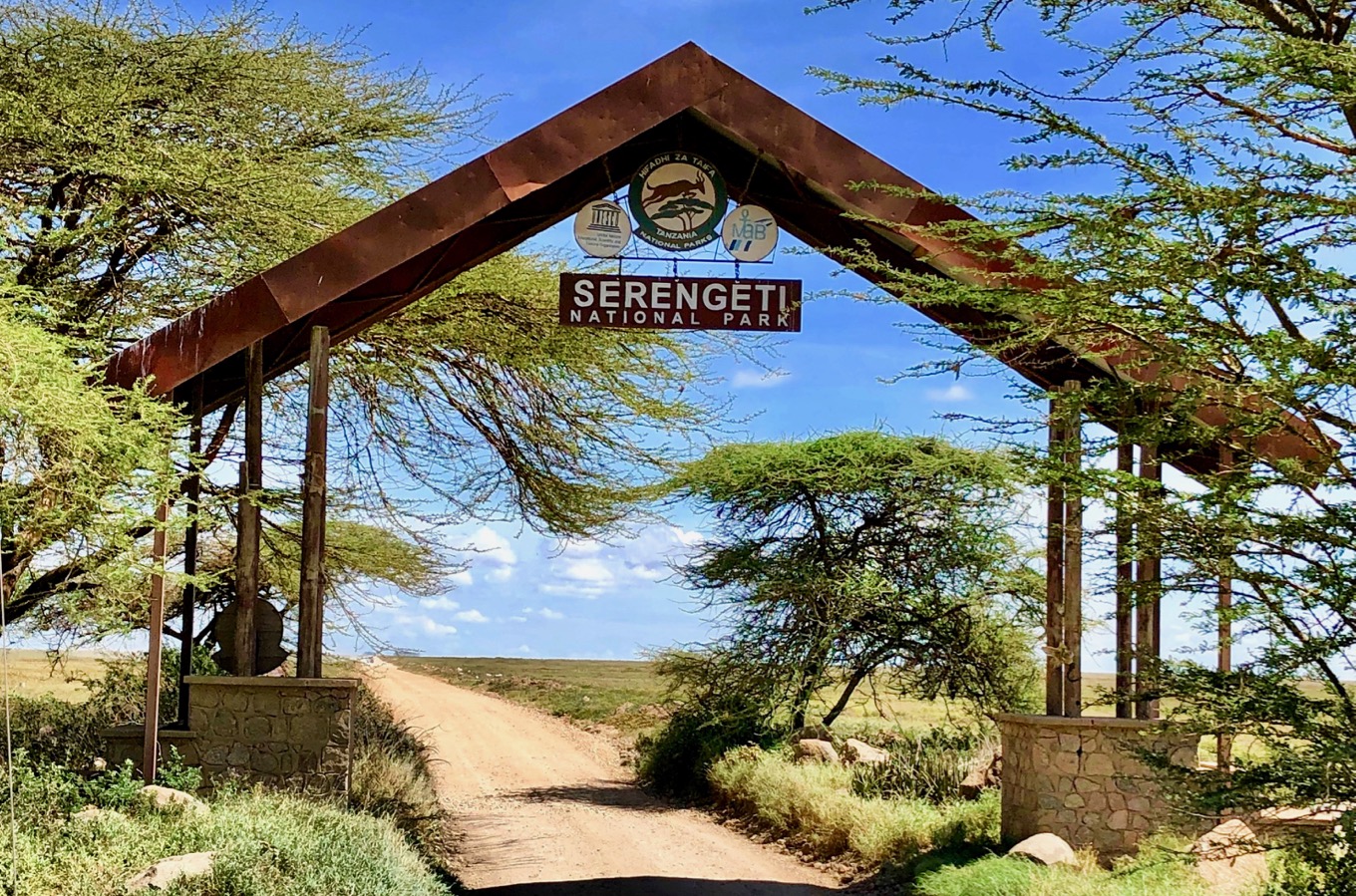
Serengeti National Park from Zanzibar ing photos.
Conclusion
A Serengeti safari from Zanzibar is the perfect combination of relaxation and adventure. From Zanzibar’s pristine beaches to the heart of Tanzania’s wildlife-rich Serengeti, this journey offers unforgettable experiences. Witnessing the calving season in the Serengeti, where the circle of life plays out before your eyes, creates an intimate and thrilling safari adventure that will stay with you for a lifetime.