
Uganda, in East Africa is a premier safaris destination, blessed with diverse landscapes, cultures and wildlife species among others. Located on the equator, Uganda lies on elevations ranging from 500 meters to 5,109 meters above sea level. Uganda is bordered by South Sudan to the north, Kenya to the east, the Democratic Republic of Congo to the west, Rwanda to the southwest, and Tanzania to the south.
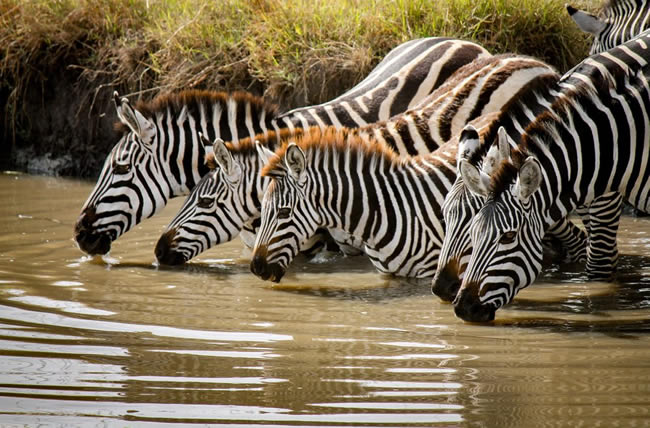
Uganda experiences a tropical type of climate, characterized by distinct wet and dry seasons. The weather patterns are largely influenced by its altitudes, with temperatures moderated by its equatorial position. The dry season usually occurs during the months of December to February and June to August, causing warm temperatures and minimal precipitation. Such conditions are ideal for outdoor activities such as wildlife viewing.
The wet seasons in Uganda typically occur in 2 main periods, that is from March to May and from September to November. During the wet season, Uganda experiences relatively heavier rainfall with regular downpours, usually accompanied by thunderstorms. These contribute to the luxurious greenery and replenishing of water sources in the national parks. On average Uganda receives between 1,000 and 2,000 millimeters of rainfall annually.
Uganda experiences relatively stabler and mild temperature conditions throughout the year, thanks to its equatorial location. There is a slight variation with its annual temperature conditions, moderated by its altitude rather than latitude. On average, the temperatures range from 25oC to 29oC (77oF to 84oF) during day time and slightly cooler temperatures at higher altitudes.
Uganda comprises a range of physical features that, in combination, contribute to the existence of its breathtaking landscapes and rich biodiversity. These include dense rainforests, savannah grasslands, mountains, hills, valleys, lakes and rivers among others. All of the mentioned physical features are habitat to a variety of flora and fauna, which make Uganda a haven for nature enthusiasts as well as a biodiversity hotspot in Africa.
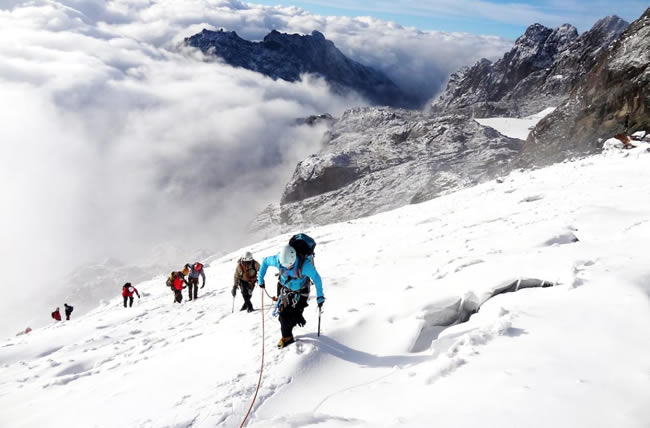
Travelers on Uganda safaris encounter an impressive range of wildlife amidst breathtaking sceneries. There are high populations of mountain gorillas found in the jungles of Bwindi Impenetrable National Park and Mgahinga Gorilla National Park. Visitors can also go for thrilling game drives in the Queen Elizabeth National Park and Murchison Falls National Park. For travelers desiring thrilling adventures, Uganda offers hiking, white water rafting, and hiking up to the snow-caped peaks of the Rwenzori mountains.
Wildlife and gorilla safaris in Uganda
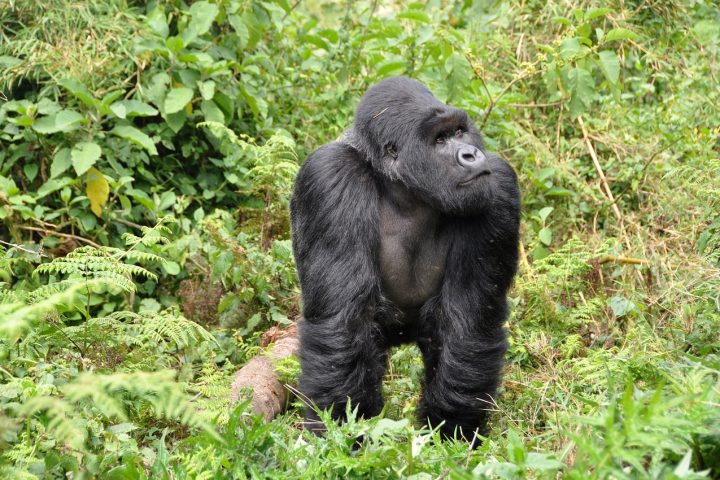
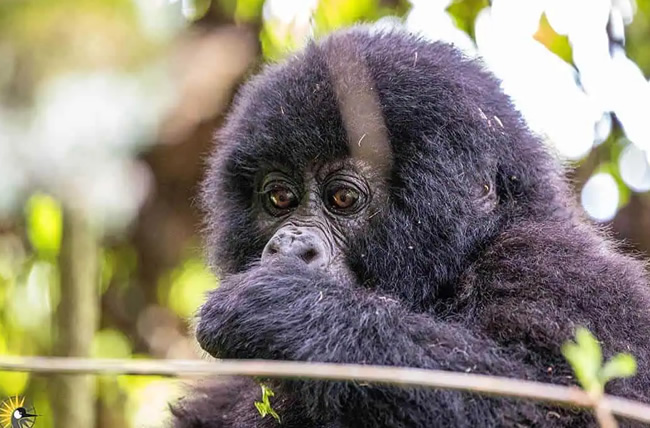
Uganda offers its visitors exceptional opportunities to witness some of Africa’s most iconic wildlife species in their natural habitats. Visitors can explore Uganda to witness wildlife besides encountering the endangered mountain gorillas. The mountain gorillas can be found in the dense jungles of both Bwindi Impenetrable National Park and Mgahinga Gorilla National Park, both in southwestern Uganda. Gorilla tracking adventures allow visitors to engage in a guided hike through the rainforests, to locate these majestic apes.
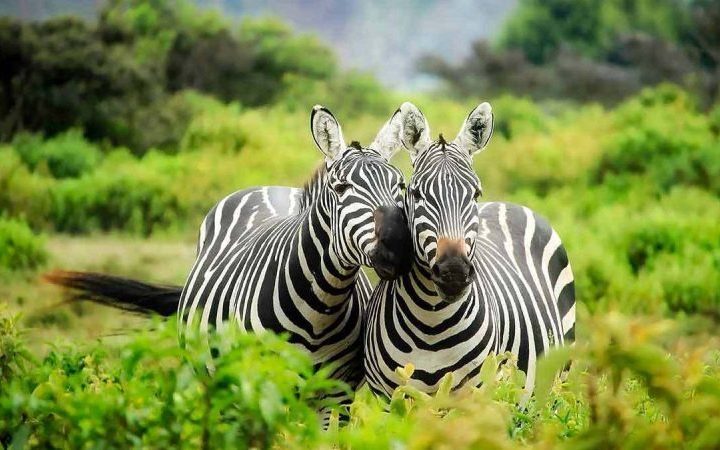
Regarding wildlife safaris, Uganda boasts a range of wildlife species spread across a number of national parks and reserves. These include Queen Elizabeth National Park, Murchison Falls National Park, Kidepo Valley National Park and Semuliki National Park among others. The game reserves include Pian Upe Wildlife Reserve, Kabwoya Wildlife Reserve, and Matheniko Wildlife Reserve among others. Uganda’s national parks and reserves offer exceptional safari experiences for travelers to encounter the rich diversity of wildlife species.
Uganda National Parks
Uganda’s national parks are a key foundation for the tourism sector, offering visitors supreme opportunities to experience the beauty and diversity of its natural wonders and biodiversity. With a total of 10 national parks, each with its unique ecosystems and wildlife species, visitors on Uganda safaris are offered the best game drives, boat cruises, guided nature walks, birding tours and gorilla tracking adventures among others in the following national parks,
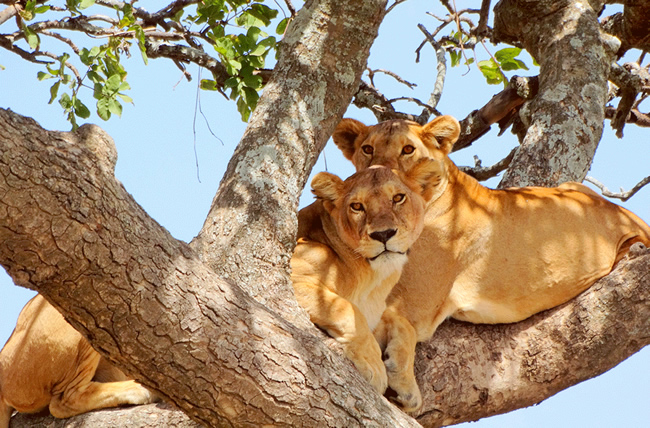
Queen Elizabeth National Park; located in southwestern Uganda and is the country’s most popular safari destination. Queen covers a total land area of 1,978 square kilometers and is composed of diverse landscapes such as vast savannah plains, dense forests, and crater lakes among others. The key attractions include the iconic tree-climbing lions of the Ishasha sector, launch cruises on the Kazinga Channel, game drives via the park tracks to view leopards, elephants, buffalos and antelopes among other wildlife species
Murchison Falls National Park; located in northwestern Uganda and is the largest national park, sitting on over 3,800 square kilometers of land. The park gets its name from the enormous Murchison Falls, where the Nile River plunges through a narrow gauge. The key attractions include lions, leopards, giraffes, elephants and antelopes among other wildlife species. There are also boat cruises on the Victoria Nile, birding tours, hikes and other tour activities.
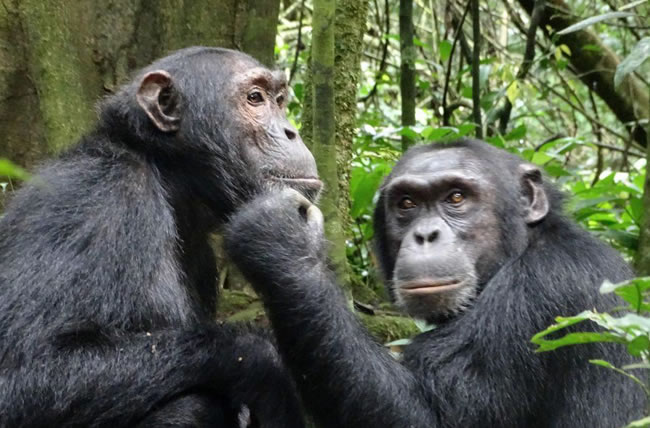
Kibale National Park; located in western Uganda and covers a total land area of around 795 square kilometers. It is famous for its population of the chimps and other primates such as black and white colobus monkeys, L’hoest’s monkeys, vervet monkeys and others. Kibale has an astonishing 1,500 chimps that hover in its trees. Besides chimp tracking adventures, visitors can enjoy forest walks, birdwatching and other activities.
Mgahinga Gorilla National Park; situated in southwestern Uganda covering a total land area of about 33.7 square kilometers and known for its population of the endangered mountain gorillas. Besides gorilla trekking tours, Mgahinga offers golden monkey trekking experiences and the opportunity to hike to the peaks of Mount Sabinyo, Mount Gahinga and Mount Muhabura.
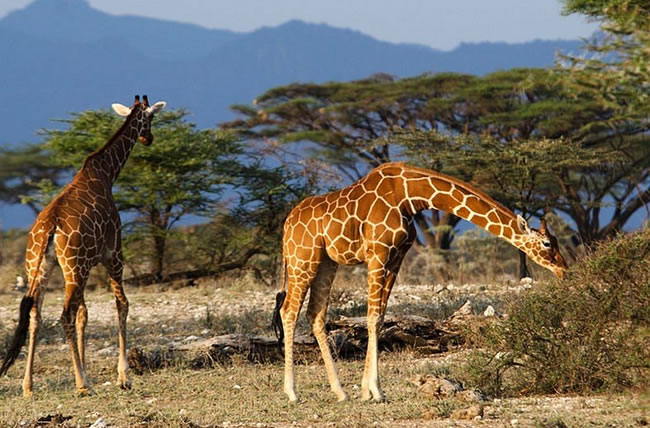
Kidepo Valley National Park; situated in the northeast of Uganda and covers approximately 1,442 square kilometers. Kidepo is known for its rugged landscapes and a variety of wildlife species. The wildlife species include lions, cheetahs, giraffes, ostriches, and antelopes among others. The key tourist activities include game drives, Narus Valley exploration, birdwatching, and cultural encounters with the indigenous Karamojong people and others.
Bwindi Impenetrable National Park; located in southwestern Uganda and spans approximately 321 square kilometers and is famous for its population of endangered mountain gorillas. Bwindi has nearly half of the global population of mountain gorillas, with at least 400 individuals living in its ecosystem. Besides gorilla tracking adventures, there are various tourist activities like birdwatching, forest walks and cultural tours of the Batwa people among others.
Major Tourist Activities in Uganda
The best time to do Uganda Safaris
The optimal time to visit Uganda for safaris largely depends on personal preferences and particular interests. Typically, the dry seasons, usually from December to February, and also from June to August are suitable for wildlife viewing and other outdoor activities. During these months, there are minimal chances of rainfall. The vegetation is relatively less dense to ensure ease in spotting wildlife in the national parks. The dry seasons also coincide with cooler temperatures, that create comfortable conditions for exploring Uganda’s diverse ecosystems.
Nevertheless, the wet seasons that occur from March to May and from September to November also appeal to certain travelers. While rainfall typically increases during these months, they create lush green landscapes and dense vegetation. The rains also cause muddy and slippery trails and unnavigable road conditions. These are opportunities for the courageous visitors to showcase their adventurous personalities. The wet seasons are suitable for birdwatching tours as migratory birds flock to Uganda’s wetland’s, lakes, and rivers. Also, the lower numbers of visitors during the wet seasons result in quieter park visits and more intimate wildlife encounters.