
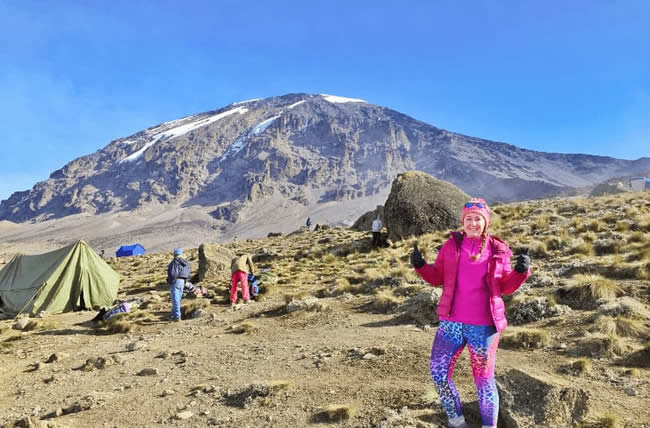
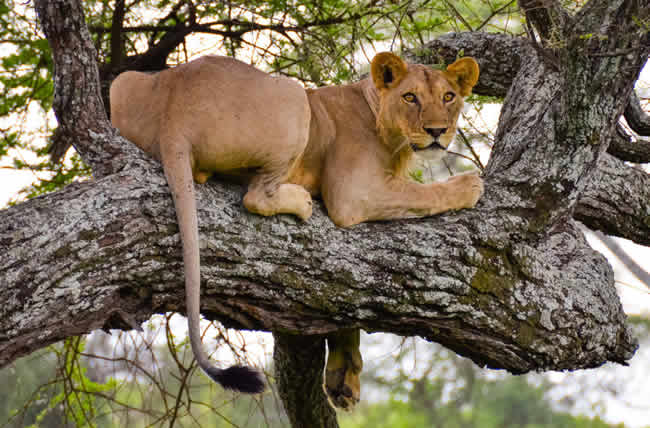
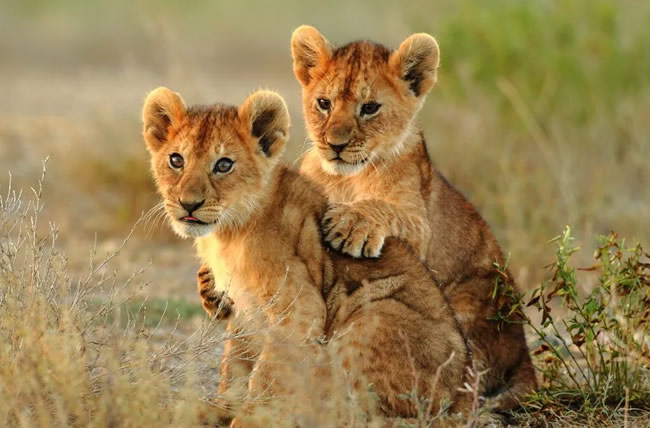
Tanzania in East Africa is a leading safaris destination, endowed with a wide range of landscapes, including the snowy peaks of mountain Kilimanjaro and the Serengeti plains. Tanzania is also strategically located, and bordered by Uganda to the northwest, Kenya to the northeast, Rwanda, Democratic Republic of Congo and Burundi to the west, Malawi to the south, Zambia to the southwest and the Indian ocean to the east. Additionally, Tanzania is a wildlife hotspot, comprising of unique species such as the African big five (lions, leopards, elephants, rhinos and buffalos).
Tanzania is blessed with a rich cultural diversity comprising at least 120 unique ethnic groups, each adding to the country’s cultural heritage. The Maasai tribe is the most renown, especially due to their unique dressing and traditional nomadic lifestyles. However, the most dominant culture is the Swahili around the coastal regions, who blend African, Arab, and Persian influences. Generally, the Tanzanian people are well-known for their warmth and hospitality, often greeting visitors with ‘Karibu,’ to imply that they are welcome. The Tanzanian cultural wealth spreads to numerous festivals, music, dance and local cuisines throughout the year.
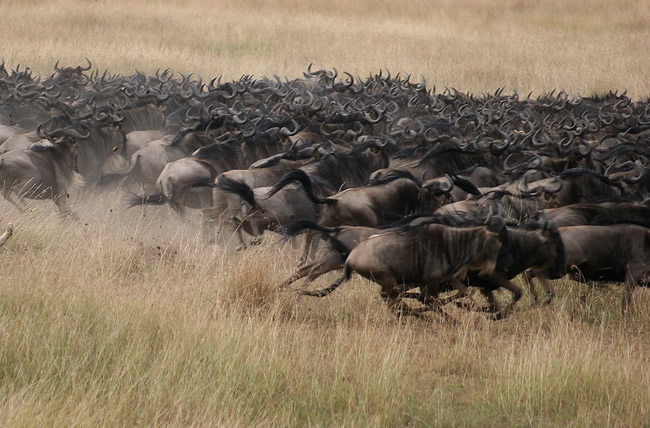
The Great Wildebeest Migration is one of the most remarkable natural phenomena on the planet that mostly occurs within Tanzania’s Serengeti National Park in the northern region. This involves over a million wildebeest, besides thousands of zebras and gazelles, on an epic but risky journey searching for greener pastures. This annual migration is driven by a cycle of rainfall and grazing that push the herbivores to cross the Mara River into the Masai Mara in neighboring Kenya before returning back. This migration offers travelers on Tanzania safaris the most memorable wildlife viewing opportunities.
The Best National Parks to visit in Tanzania
Renown Tanzania safari activities
Hot air balloon safaris; which offer unique perspectives of Tanzania’s remarkable physical features and wildlife species. Hot air balloon safaris allow visitors to float silently above the Serengeti or Tarangire National Parks at sunrise. Visitors get an unforgettable experience, with panoramic views of the vast plains and the opportunity to spot mammals from above.
Cultural tours; which allow tourists to encounter and interact with Tanzania’s rich cultural heritage. Tours are primarily done in the Maasai villages where travelers gain deeper insight regarding their lifestyles, rituals and also witness traditional dances, besides participating in local crafts making.
Flying safaris; this is an efficient way to tour the country’s enormous and remote conservation areas. Visitors move on small aircrafts to fly over the breathtaking aerial views of the destinations. This is a relatively faster mode of transportation from one park to another, thus saving time that would otherwise be spent on ground exploration. Flying safaris are good for tourists who desire to visit more than one national park within a limited timeframe.
Tips for planning Tanzania Safaris
Travelers planning any Tanzania safaris should consider the best time to visit the country. This depends on the remarkable wildlife events you desire to experience. Usually, the dry season from the month of June to October is the best time if you are interested in the Great Migration or wildlife viewing in general. However, this requires you to book accommodation facilities in advance, as the best of them fill up relatively quickly. You should hire a reputable tour operator to enhance your safari experience, because they can offer knowledgeable guides and tailor-made itineraries.
What to pack for Tanzania safaris?
Packing for Tanzania safaris requires you to be cautious while making considerations to ensure a comfortable and stress-free experience. The most essential items to bring on Tanzania safaris include the following,
- Lightweight, breathable clothing in neutral colors to blend in with the environment and avoid attracting insects.
- Layers are important as temperatures vary greatly between morning and evening
- Wide-brimmed hat, sunglasses, and sunscreen for sun protection
- Strong comfortable shoes for walking safaris
- A pair of binoculars for watching wildlife from a long distance
- Digital camera with extra memory cards and batteries
- Insect repellent
- Warm jacket or fleece for cooler days
- Basic first aid kit and any personal medication