
Rwanda in East Africa is prominent for its fascinating tour experiences, that attract visitors from all over the world. Situated within the Great Lakes region, Rwanda borders Tanzania to the east, Uganda to the north, Burundi to the south, and the Democratic Republic of Congo to the west.
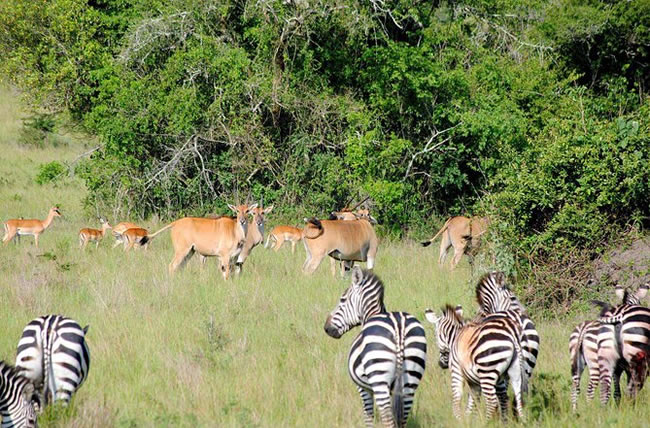
Rwanda is blessed with diverse and spectacular landscapes that can be appreciated by visitors on safaris. There are luxurious green rainforests, golden savannah grasslands, rolling hills, meandering rivers and sparkling lakes among others. These offer exceptional tour experiences distinct from any other in the African continent.
Rwanda experiences an equatorial type of climate that ensures pleasant temperature conditions for tourism through the year, with average highs ranging from 24o C to 27o C (75o F to 81o F). There are 2 distinct rainy seasons experienced in Rwanda, from February to May and another from September to December, with average annual rainfall of about 1,200 to 1,500 millimeters.
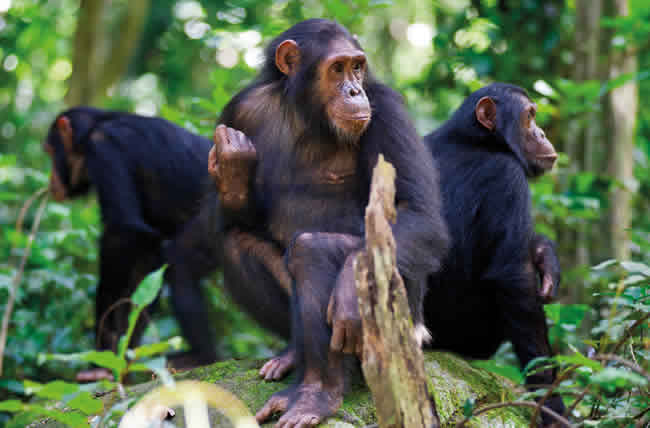
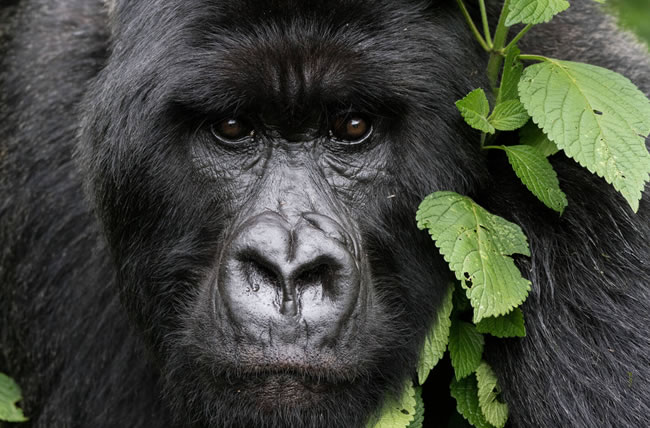
One of the country’s primary tourist attractions is the Volcanoes National Park, which is among the best places in Africa to see gorillas in their natural habitat. Besides the endangered mountain gorillas, Rwanda has varied topography that house various wildlife species, chimpanzees, birds and various flora among others.
Wildlife and Gorilla Safaris in Rwanda
Wildlife and gorilla safaris play a critical role in Rwanda’s economy, with substantial contributions to both government revenues and job prospects for citizens. Visitors on Rwanda wildlife and gorilla safaris should expect a fascinating and enriching tour. The country is endowed with at least 380 gorillas, 402 mammal species, 1061 bird species and 293 reptiles.
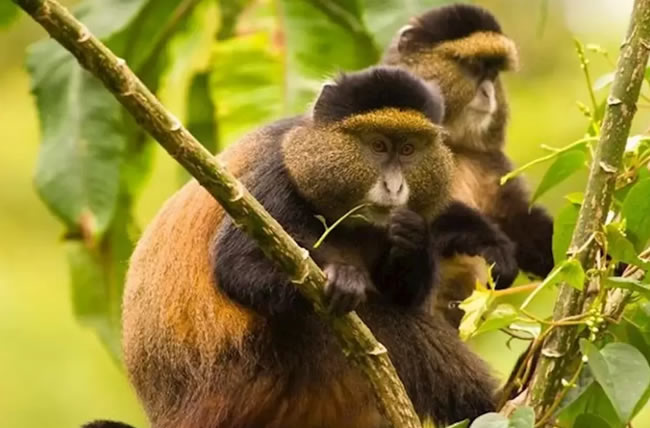
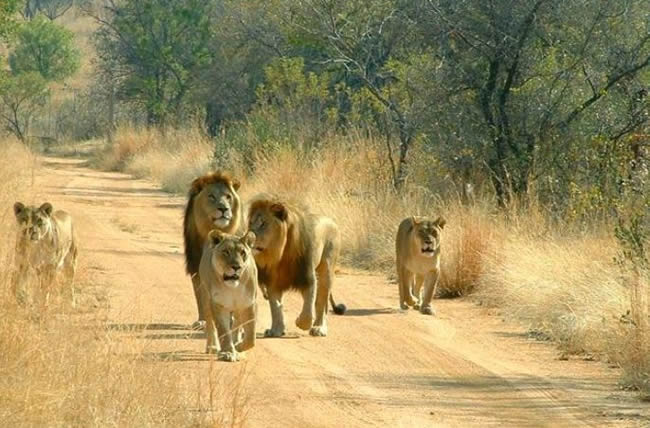
Visitors on Rwanda safaris have the opportunity to encounter a diversity of wildlife species, including chimps, golden monkeys, leopards, elephants, lions and an impressive array of birdlife. There are gorilla trekking tours in Volcanoes National Park, that provides visitors an opportunity to track and observe the endangered mountain gorillas in their natural habitat.
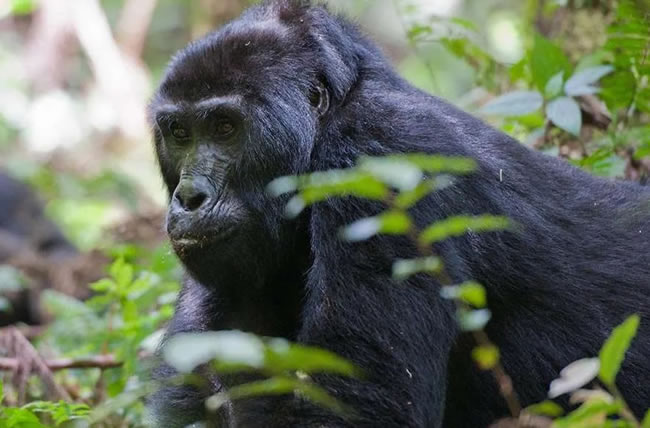
Wildlife and gorilla safaris lead to enhanced revenues through permit fees, accommodation, transportation and other similar services. Part of the money not only supports the conservation efforts aimed at preserving the endangered gorillas and other numerous wildlife species, but also enhances economic growth and the development of the adjacent communities.
Major activities to do on Rwanda safaris
The best time to do safaris in Rwanda
The best time to visit Rwanda for safaris basically depends on the weather patterns and your specific interests. Firstly, Rwanda experiences 2 distinct dry seasons, from June to September and December to February. During these periods, the weather is often sunny and clear, with minimal chances of rainfall thus suitable for wildlife viewing and trekking tours. The vegetation cover is also less dense, making it less difficult to spot wildlife.
But you should be aware that the dry seasons coincide with the peak tourism seasons, that causes crowds in the national parks. This time also causes the overwhelming competition when it comes to acquiring gorilla permits and accommodation facilities. Therefore, you should opt for the wet seasons if you prefer tranquil tour experiences with less regard for the occasional rainfall in the months of March to May and October to November. The wet season is also suitable for travelers interested in lush green landscapes and birdwatching tours.