
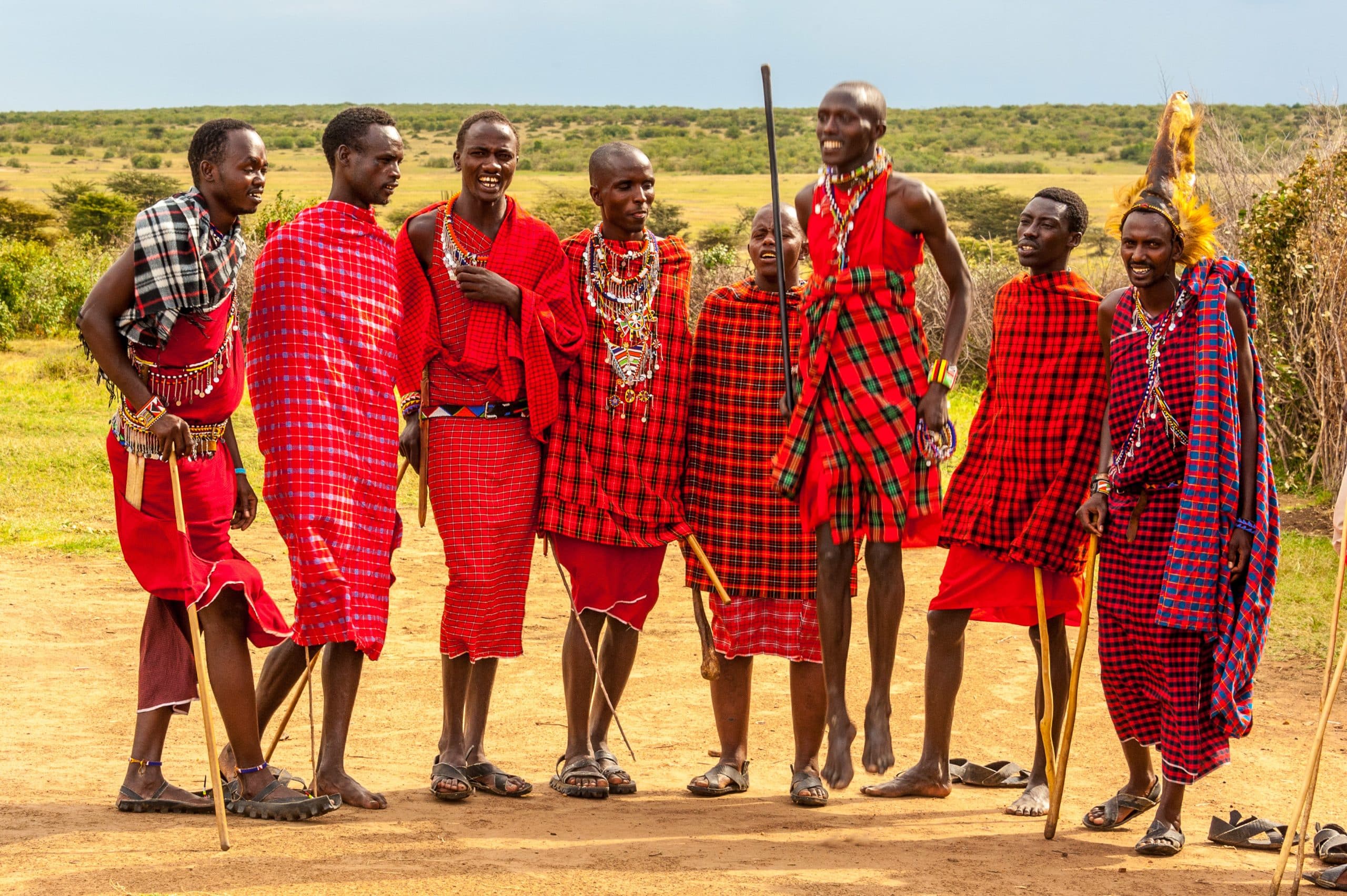
Visiting Maasai is an experience that brings you closer to one of Africa’s most iconic cultures. The Maasai people, known for their unique traditions, vibrant clothing, and rich history, are one of Kenya and Tanzania’s most well-known ethnic groups. Before embarking on your journey, there are several things to know to ensure a respectful and immersive experience. This guide will provide essential insights into the Maasai culture, practical tips, and how to make the most of your visit.
Understanding Maasai Culture
The Maasai are a semi-nomadic people who have maintained their traditions for centuries. Their life revolves around cattle, which hold both economic and cultural significance. The Maasai people are known for their distinctive red shuka (clothing), beaded jewelry, and elaborate rituals. Understanding this culture is key to appreciating your visit to Masai communities.
When visiting Maasai villages, it’s important to be respectful of their customs. The Maasai have their own set of beliefs, rituals, and social systems. Visitors should approach with an open mind, ready to learn about their way of life. The Maasai are generally warm and welcoming but appreciate those who show respect for their traditions.
Plan Your Visit in Advance
Before visiting Maasai villages, make sure to plan your trip in advance. There are a number of ways to visit Maasai communities, from guided tours to independent trips. Most tours include a visit to the villages, where you’ll have the chance to interact with the Maasai people, learn about their lifestyle, and witness traditional ceremonies. You can also book cultural experiences that involve participating in Maasai dances, learning about beadwork, and even experiencing a day in the life of a Maasai warrior.
If you plan to visit the Maasai Mara in Kenya, one of the most famous regions where the Maasai people live, you’ll find plenty of tour options. The Mara offers numerous opportunities for safari, and visiting the Maasai village is often included in the package.
Respect the Maasai’s Privacy
When visiting Maasai communities, it’s important to respect the privacy of the people. While many Maasai villages welcome tourists, it’s crucial to ask permission before taking photos. The Maasai people may ask for a fee in exchange for pictures, as they often view photos as a form of compensation for sharing their way of life.
Always ask for consent before entering any village. The Maasai are protective of their culture and privacy, so it’s essential to be courteous. Avoid entering their homes without permission, and always listen to the guide’s instructions.
Dress Appropriately
When visiting Masaai villages, it’s important to dress modestly. The Maasai people are known for their distinctive clothing, often in bright reds and oranges, which symbolizes their cultural identity. While you don’t have to wear the same attire as the Maasai, it’s best to dress conservatively out of respect for the community.
Comfortable clothing and shoes are also recommended if you plan to walk through the villages or participate in activities like dancing or hiking. The Maasai live in rural areas, so be prepared for dusty roads and uneven terrain.
Learn About Maasai History and Traditions
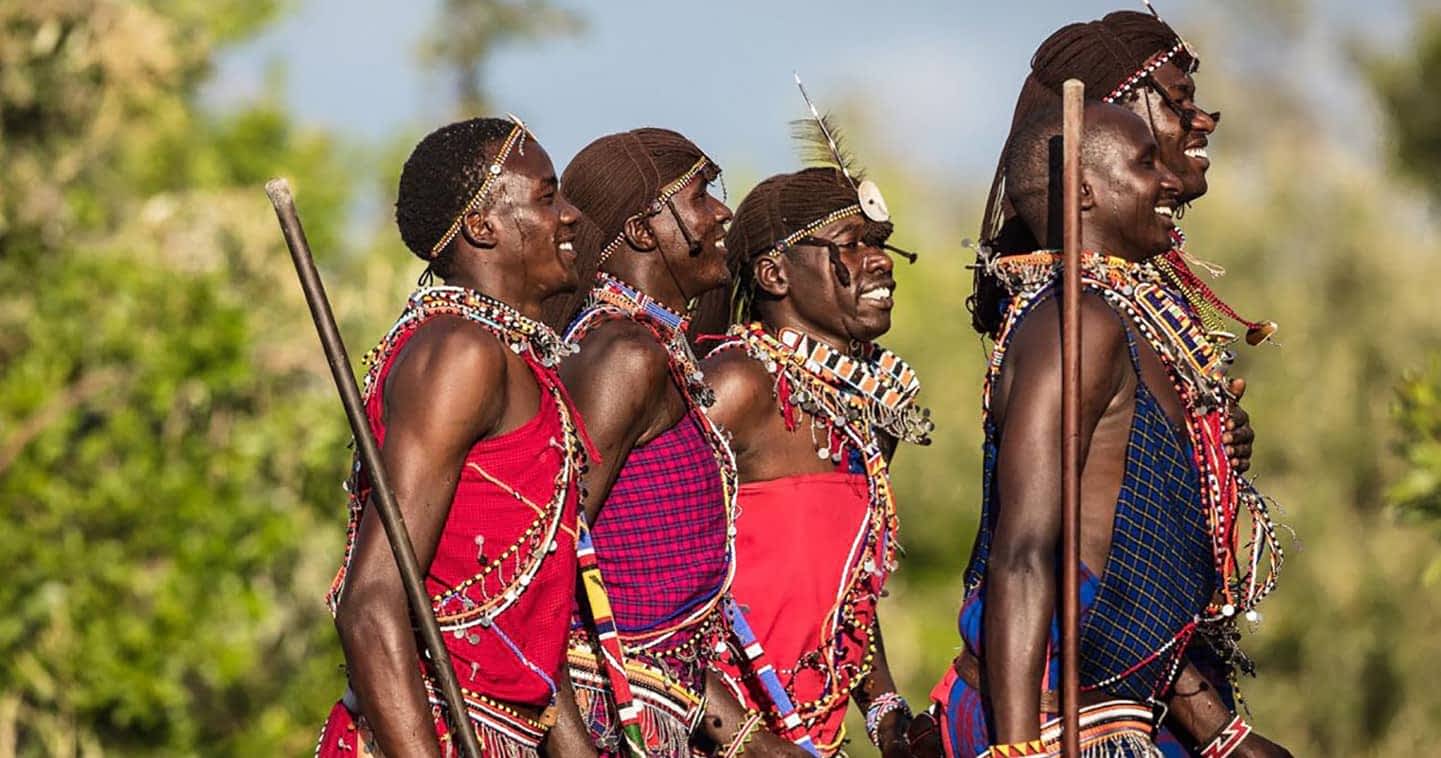
Visiting Maasai is a unique opportunity to learn about the rich history and traditions of the Maasai people. Their culture dates back centuries and is centered on values such as respect for elders, hospitality, and a deep connection with nature.
The Maasai believe in a strong relationship with God, or Enkai, and maintain a spiritual connection with their cattle. Livestock is not only a source of food and wealth but is deeply woven into their ceremonies and celebrations.
During your visit, take the time to ask questions and learn about their beliefs, lifestyle, and the history of the community. The Maasai are proud of their heritage and are often happy to share stories and insights with visitors.
Expect a Unique Cultural Experience
When visiting Maasai villages, expect to experience a unique cultural immersion. The Maasai are famous for their rituals, such as the circumcision of boys, and ceremonies marking significant life events. You may have the opportunity to witness a traditional Maasai dance, where they sing and jump as part of a celebration.
While you’re in the village, you may be invited to participate in certain activities. Be open to these opportunities and try to engage respectfully. For example, you could learn how to throw a spear, or even make beadwork. This cultural exchange allows you to gain a deeper understanding of the Maasai way of life.
Supporting Local Communities
Visiting Maasai villages also offers the opportunity to support the local community. Many Maasai villages rely on tourism for income, which helps to sustain their culture and way of life. By buying handmade crafts, jewelry, and other items, you’re directly contributing to the community’s welfare. The proceeds from these sales often help improve local infrastructure and fund educational initiatives.
Additionally, some Maasai communities have started tourism projects where they share a percentage of the income with local schools and hospitals. It’s a great way to ensure that your visit has a positive impact on the community.
Safety Considerations
While visiting Maasai villages is generally safe, it’s always a good idea to take basic precautions. Ensure you’re traveling with a reputable guide, especially when visiting remote areas. Avoid wandering off alone and always stick to the designated routes. The Maasai Mara and other regions can have wildlife, so always follow the instructions of your guide.
It’s also important to stay hydrated and carry some basic medical supplies, as some villages may not have immediate access to medical care. Lastly, always check for any health advisories before traveling, especially if you plan to visit more remote parts of Masai territory.
Best Time to Visit Maasai Villages
The best time to visit Maasai villages depends on what you want to experience. If you’re planning to combine a safari with your visit, the dry season, from June to October, is ideal. This is when the wildlife is easier to spot, and the weather is typically pleasant. However, the rainy season, from March to May, offers a quieter experience with fewer tourists.
If you’re interested in the Maasai Mara’s Great Migration, the months between July and October are optimal for witnessing this incredible wildlife event. The Maasai Mara also experiences a peak in tourism during this period, so be prepared for larger crowds.