
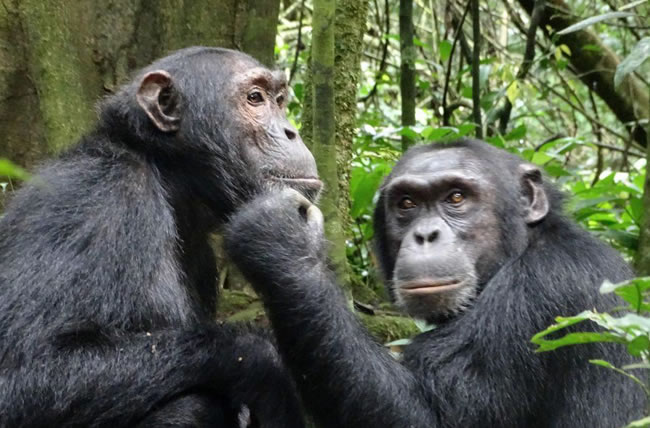
Kibale National Park stretches through the districts of Kabarole, Kamwenge, kyenjojo and Kasese in the western part of Uganda. The park is known as the “primate capital of the world” because it is a home to the latest population of chimpanzees in Uganda. Kibale National Park is approximately 766 square kilometers in size with an altitude of 1,160-2,607 meters above sea level. Though the park contains a variety of array landscape, it is hugely dominated by the tropical rainforest.
The rich history of Kibale National Park.
Kibale National Park in 1932 was gazette as a forest reserve by the British to protect Kibale forest in its natural authenticity and also harvest wild coffee and hardwood. Later in 1993 the forest reserve attained the national park status. This was done to protect the chimpanzees that were discovered to be living the forest.
The different safari attractions in Kibale National Park.
There are various chimpanzees in different parks like Queen Elizabeth National Park but Kibale National Park is the epitome. As the slogan suggests the primate capital of the world, Kibale National Park is famous for harboring a large population of chimpanzees.
Chimpanzees
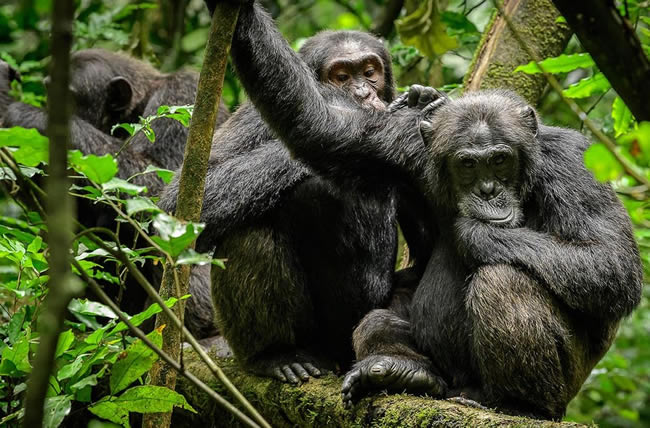
If you are looking for the best chimpanzee destination in Africa, then look no further than Kibale National Park. The park boosts with a large population of over 1500 individual chimpanzees. Chimpanzees are the major tourist attraction in Kibale National Park. These primates live in scattered families across the entire park but more especially in the Kanyanchu area. Engaging in a walk in the Kanyanchu area will leave you admiring these magnificent creatures.
Wild animals
Other than the chimpanzees the famous stars of Kibale National Park, there are also various wildlife species to admire in the park. The park is home to more than 120 terrestrial mammals including forest elephants, giant hogs, bushbucks among others. Kibale National Park is indeed a showoff of primates with over 13 other species of primates including black and white colobus monkeys, Olive baboons, vervet monkeys, blue monkeys, L’Hoest’s monkeys among others. There are also hunter animals that is the carnivores especially the leopards, African golden cats and serval cats.
Birds
Kibale National Park arrays with a diverse landscape dominated by the tropical rainforests which are a nature habitat for birds. This is the reason why Kibale boosts with over 350 bird species with both resident and migratory birds that fly in during different seasons. These bird species include the following; Blue-headed sunbird, Nahan’s partridge, Afep pigeon, purple-breasted sunbird, African pitta, little greenbul, blue-breasted kingfisher, blue-headed bee-eater, blue-throated roller among others.
Bigodi wetland sanctuary
Bigodi wetland sanctuary is located south of Kanyanchu on the side lines of the park. Bigodi wetland sanctuary is protected and preserved by the Kibale Association for Rural and Environmental Development (KAFRED). This is an association of the locals that have come together for conservation purpose of the wetland. The name “Bigodi” came from the local Rutoro word “Kugodya” that means walking sluggishly. Bigodi wetland sanctuary was established to protect the Magombe swamp which is a large wetland that stretches to over 4 square kilometers in size.
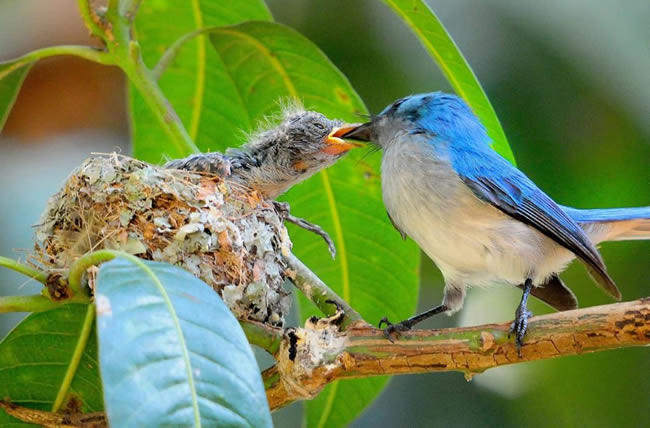
Bigodi wetland is an important birding area since it harbors over 200 bird species. These include some of the following Kingfishers, Waxbills, Cuckoos, Weavers, Hornbills among others. These birds can be spotted from different trails in the sanctuary such as Bigodi trail, Magombe swamp trail, Bigodi village trail to mention but a few. This bird harbor is also a fruitful attraction worth checking out.
Cultural tours
Cultural tours are also other attractions in Kibale National Park since they give tourists an opportunity to engage with the local members of the community. The Batooro and Bakiga are the dominate groups of people around Kibale. Their unique way of living often interest visitors in the area to witness their impressive culture. The Batooro people are very hospitable and visitors on arrival area given cultural names known locally as “empako”.
Bakiga on the other hand a joyous people that dance and sing for their visitors. The traditional dance is known locally as “ekitaguro”. They also serve their visitors with locally brewed beer called “enturiire”. Interaction with the elders of the village and listen to ancient tales about their land and culture will interest you.
Safari activities in Kibale National Park.
Chimpanzee trekking
Chimpanzee trekking is an activity that takes that entire day. It involves walking through the park in search of the chimpanzees. After the chimpanzees have been sought, visitors a given an hour in the presence of these primates. Trekking in Kibale often take places in the Kanyanchu area since it is best known for harboring a large number of chimpanzees.
Chimpanzee habituation experience
The process of habituation of chimpanzees involves gently making the chimpanzees acquaint with the presence of humans. The adventure of chimpanzee habituation takes about two hours after locating the group of chimpanzees. Chimpanzee habituation experience is often carried out for purposes of preparing wild chimpanzees for trekking and visitation by tourists.
Bird watching tours
Kibale National Park is one of the best birding destinations in Africa. Given its natural authenticity of have diverse landscapes and tropical rainforest, it is a natural haven for over 350 bird species. The park is truly a birders paradise because of the different areas guaranteed to spot a variety of bird species. These include the Bigodi wetland sanctuary where a number of resident and migratory birds have made it are their home.
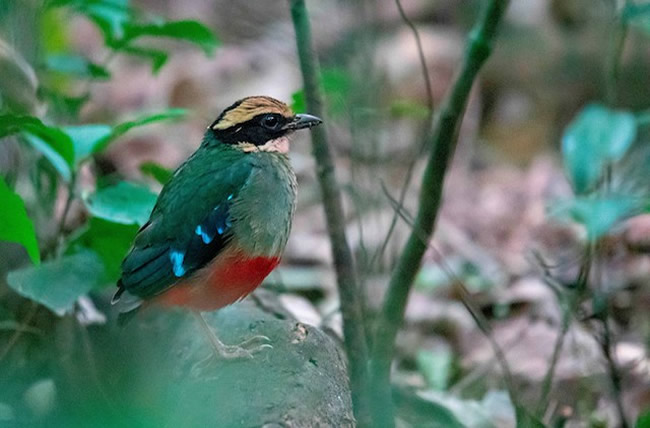
Professional bird guides are offered to visitors interested in bird watching. There are well developed birding trails across different areas in the park. These include some of the following Bigodi wetland trail, Kibale forest trail, Bigodi village trail, Magombe swamp trail among others.
Kanyanchu Primate walks
Kanyanchu primate walk is a popular activity carried out by most visitors in Kibale National Park. This primate walk involves walking in the forests Kibale in the Kanyanchu area in search of primates. There over 13 primate species sought including vervet monkeys, black and white colobus monkeys, diurnal monkeys but the chimpanzees are the most sought primate species among many others.
Culture encounters
Kibale National Park is located in the western part of Uganda in the land of the Batooro and Bakiga people. They are the indigenous people of the area and lived in the same with the park and animals well before it was gazette. These two groups of people have lived harmonious together with the animals in the park for a very long time. They have been also crucial in conserving and protecting the wildlife in the park.
Their cultures have however been also an important tourist attraction for the visitors interested in research. As well as those visitors interested in the history and culture. Batooro people often name their visitors cultural names as a sign of hospitality. The Bakiga dance “ekitaguro” a traditional dance and serve “enturiire” a tradition beer in excitement for their visitors.
How accessible is Kibale National Park?
Kibale National Park can easily be accessed by road and air transport depending on your preference. Mubende – Fort portal route is the shortest route by road when coming from the capital Kampala. This route takes about 4-5 hours in a 4×4 vehicle since the park is over 315 kilometers from Kampala.
Traveling by air to Kibale takes about 2 hours from boarding the flight at Entebbe Airport or Kajjansi Airstrip to Nyakisharara airstrip in Mbarara or Kasese airstrip followed by a 30-minute drive to the park.
Where can one get accommodation in Kibale National Park?
There are a variety of accommodation facilities not only in the park but as well as outside. The park has facilities that range from luxury, midrange and to budget. They are all affordable depending on your preference. Luxury lodges include Kyaninga lodge, crater safari lodge, Ndali lodge, Primate safari lodge, among others.
Midrange accommodation facilities are Isunga lodge, Kibale Safari Lodge, Kibale Guest Cottages, Turaco treetops, Kibale forest camp to mention but a few. Kibale forest lodge, Tinka homestead, Chimpanzee Forest Lodge and Lake Nyamirima Cottages, are some of the budget lodges.
What is the best time to visit Kibale National Park?
The best to visit the park is during the dry season. This dry season runs from the months of June to August and from December to February. This the time of the year when the park is dry and less irritating flying insects as well as dry trekking trails.
However, the wet season also has its advantages for example the park is not crowded and the accommodation facilities fairly reduced prices. During the wet season it is also a good time to spot migratory bird species.