
Lake Mburo National Park is the smallest national park in Uganda stretching to over 370 square kilometers with an altitude of over 1,220 meters to 1,828 meters above sea level. Located in Nyabushozi county Kiruhura district in the western region of Uganda, Lake Mburo National Park is home to over 68 wildlife mammal species and about 350 bird species.
History about Lake Mburo National Park
Lake Mburo was in 1933 gazette as a controlled hunting area before it was elevated to a game reserve in 1963. Later in the year 1983 attained national park status by the then government of Dr. Obote.
Due to political instability in the area, the park was invaded by the Banyankole Bahima cultural people who used the park area to graze their traditional long-horned Ankole cattle. In 1985, a new government attained power and the park was reinstated and gazette as a national park.
What can you see at Lake Mburo National Park?
Wildlife
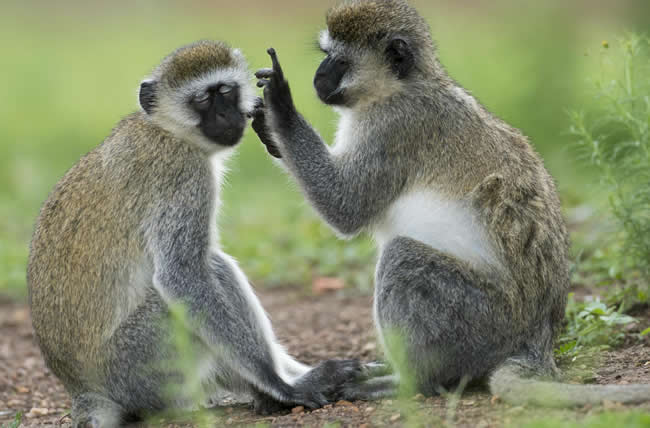
Lake Mburo National Park harbors over 68 mammal species of wild animals. It is also home to only two diurnal species of primates that is the vervet monkey and olive baboon. The park also boosts as one of the few places in Uganda to spot the greater galago. This is a small cat-sized animal that is nocturnal and Lake Mburo is one of the very few places to it has been recorded.
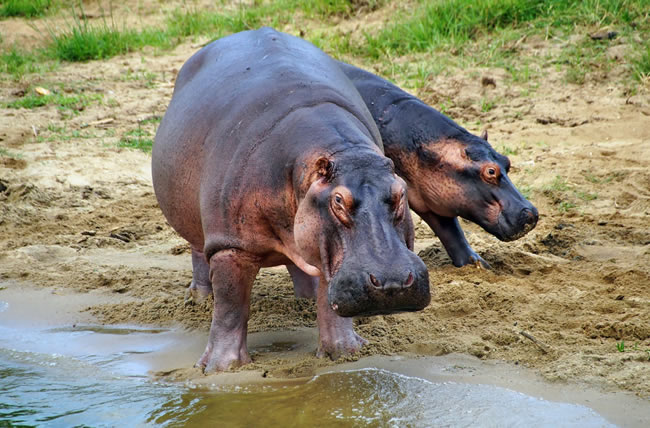
Wildlife in Lake Mburo National Park range from carnivores to herbivores such as Impalas, cape buffaloes, zebras, common elands, warthogs, hippos, and giraffes to mention but a few.
Bird species
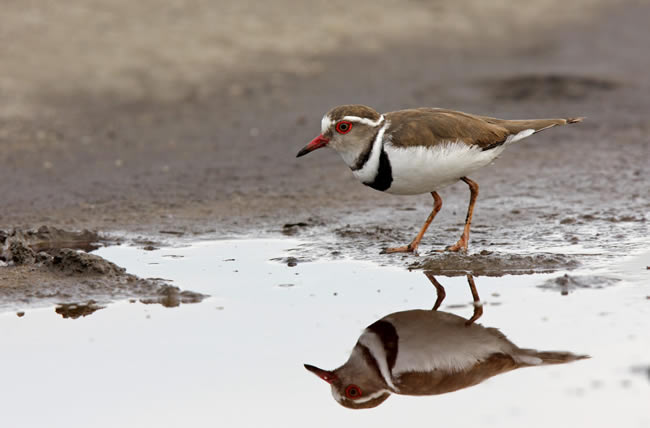
Lake Mburo National Park is home to over 350 bird species making it one of the best birding destinations in the world. The park offers different areas to spot different bird species for instance the woodland area of Rwonyo rest camp is the best place to spot acacia-associated birds such as black-billed bustard, ruppell’s starling, mosque swallow, bare-faced go-away-bird, among others.
Lowland areas like the lakeside area harbors some papyrus endemics such as papyrus yellow warbler, striking blue-headed coucal, papyrus gonolek, and white-winged warbler. The most common bird species in the park include African finfoot, speckled mousebird, pied kingfisher, red-faced barbet, speckled mousebird, brown-chested lapwing, and malachite kingfisher to mention but a few.
Rubanga Forest
Rubanga Forest is located in the heart of Lake Mburo National Park and it offers a unique opportunity for tourists who love adventure. It is a good area to have a guided nature walk experience because of its abundance of fauna and flora. It is also an important birding area for birders. This is because the forest harbors several bird species such as grey-backed camaroptera, black belier, Nubian woodpeckers, red-shouldered cuckoo, double toothed barbet among the rest. Rubanga forest is also a grazing area for most of the animals such as impalas, zebras, topis, and hippos among others as well as different primate species like the vervet monkey and olive baboons.
Lakes
Lake Mburo National Park harbors five seasonal and permanent lakes. Stretching over 13 kilometers Lake Mburo which the park was named after is the largest of the five lakes. The shores of Lake Mburo inhabit woodland trees thus making the park a combination of savannah grassland and woodland. The lakes are home to several animals and fish species but also a hunting ground for some species of birds. Lake Mburo is known for harboring Nile crocodiles, several hippos, and also different fish species like tilapia, Nile Perch, and lungfish. Other animals like buffaloes and impalas come for a drink and cool off at the lake because it is the main water source of the park.
What can you do while in Lake Mburo National Park?
Game viewing
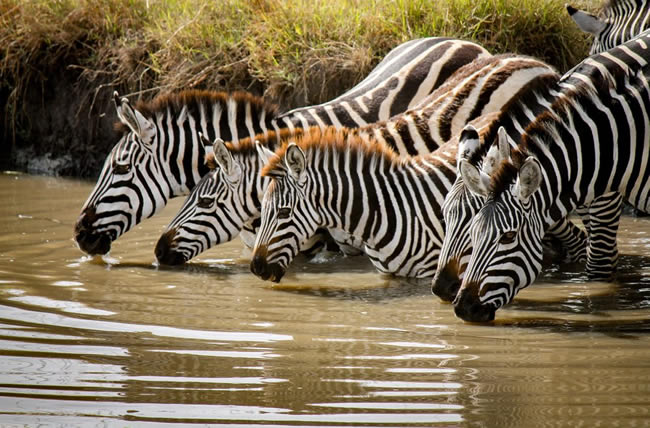
Game viewing is the major activity done by tourists while at the park. This involves watching the wild animals in their natural habitats while in the comfort of your vehicle. Game viewing takes place early in the mornings and afternoons along different trails across the park such as the Zebra Trail, Kazuma Trail, and Kigambira Loop among others. Game drives or game viewing can also be done during the night hours for an opportunity to view nocturnal animals such as white-tailed mongooses, hippos as they graze, and leopards and hyenas as they hunt under the cover of darkness.
Bird watching
Lake Mburo National Park is a major birders paradise since it hosts over 350 bird species. Birds at the park vary from the resident endemics to the migratory living in different areas of the park. Birding in Lake Mburo National Park takes place in designated birding trails and they include the Rubanga forest trail, Miriti and Warukiri swampy trails, and Rwonyo camp trail among others. Some of the bird species include the African finfoot, black-billed bustard, ruppell’s starling, mosque swallow, bare-faced go-away-bird, southern ground hornbill, black-collared, black-throated barbets, green-capped eremomela, papyrus yellow warbler, striking blue-headed coucal, papyrus gonolek, white-winged warbler among others.
Horseback riding
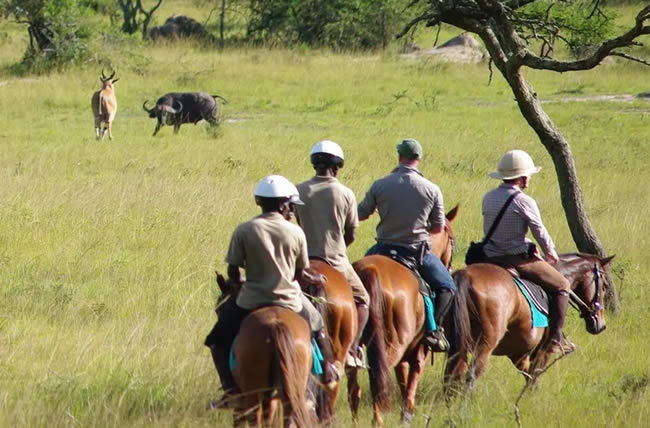
Horseback riding in Lake Mburo National Park is an exciting activity highly anticipated by tourists. Horseback riding involves viewing the wild animals in their natural habitats and exploring the park on horseback. It is an interesting experience for tourists as they come near the animals while keeping a safe distance. While horseback riding in the park you are likely to see animals like buffaloes, zebras, topis, impalas, and giraffes among others.
Cultural encounter
Lake Mburo National Park is located in an area surrounded by the Banyankole pastoralists. They have lived in the area for many years and they are traditional cattle keepers. Cultural encounters offer an opportunity for tourists to interact with these people around the park. The Banyankole group of people that are close to the park are locally known as the “bahima” and they rear the unique majestic Ankole long-horned cattle. Their love for cows and their unique ways of life are an interesting adventure to embark on. Their ceremonies, dressing, milking, and making of milk products, and molding of water drinking troughs for cattle from clay offer an interesting experience to tourists.
How to get to Lake Mburo National Park?
Lake Mburo National Park 230 kilometers from Kampala is the park in the closest proximity to the capital. It can be easily accessed by either road or by air because of the well-developed road and air transport networks.
By road
Accessing Lake Mburo National Park by road is the cheapest and most commonly used means of transport. This journey can take you approximately 4 and a half hours from Kampala to Nshara gate. Traveling by road is quite an adventure because it gives you a ton of features to view as you travel such as the equator at Kayabwe, and River Katonga among others.
By Air
Domestic flights in Uganda can be booked from the two companies Aero Link Uganda Limited and Bar Aviation. Traveling by air is the quickest and luxury way to Lake Mburo National Park. This journey can take you only an hour from Entebbe International Airport or Kajjansi Airstrip to Nyakisharara Airstrip in Mbarara City and about a 30-minute drive to the park gate of Sanga.
Where to get accommodation in Lake Mburo National Park?
Accommodation facilities are both in and outside Lake Mburo National Park and they offer packages that range from luxury to midrange and budget. The facilities in the park are highly anticipated by my tourists because they give a feeling of sleeping in the wild. For tourists interested in doing night activities like game drives, and night-guided nature walks among others it’s best to book accommodation in the park. The luxury facilities in the park include Mburo Eagles Nest, Hyena Hill Lodge, Lake Mburo luxury tented camp, Mihingo Lodge, Kigambira Safari Lodge, and Kigarama Wild Lodge among others. Midrange accommodation facilities include Rwakobo Rock Lodge, Mpogo Safari Lodge, Arcadia Cottages Mburo, Mantana Tented Camp, and Mburo Safari Lodge.
What is potentially the best time to visit Lake Mburo National Park?
Lake Mburo National Park just like other savannah grassland parks in Uganda is best visited during the dry season. This is the period when the park is dry and clear it is easy to spot animals since they are always concentrated on water bodies. The dry season in Uganda runs from the months of June to September and December to February. So around these months, you can have a good time at the park. However, the wet season also has its advantages as well. During the wet season the prices of accommodation facilities in and around the park drop and for tourists travelling on a budget this is the best time to visit the park. For tourists who like privacy and do not enjoy crowds, the wet season is the time for you. This is because the park is less crowded compared to the dry season.
Conclusion
Embark on a thrilling adventure to the whispers of the wild and be sure to spot wild animals, birds, Rubanga forest, and lakes. Lake Mburo has got a lot up her sleeve from the game drives and birding to the adventurous horseback rides and educational cultural encounters. You can choose to access the park by either road or air and stay in the various accommodation facilities in and outside the park. Both the wet and dry seasons pose the best time to visit the park depending on what suits you best.